
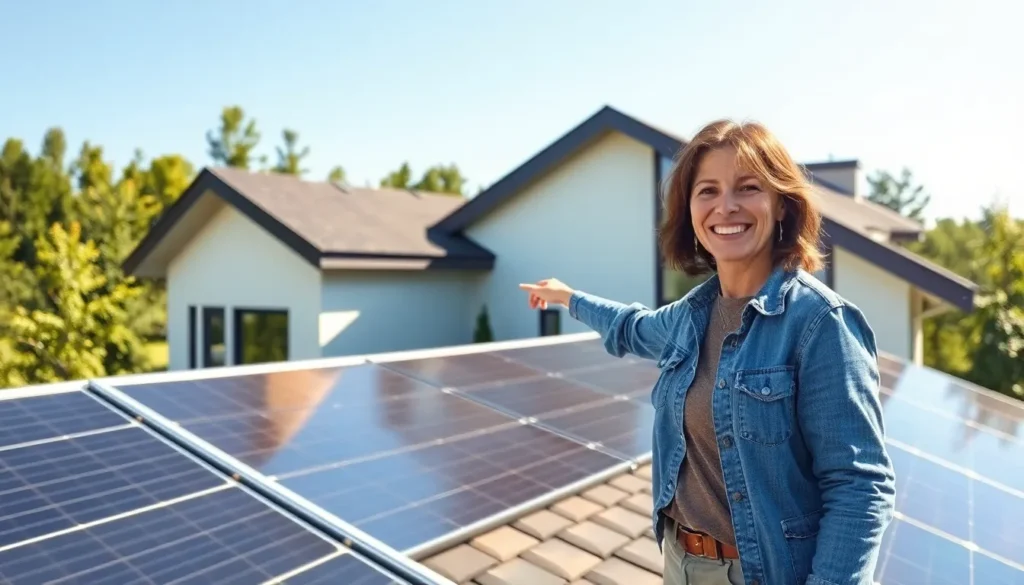
Imagine a world where your energy bills shrink faster than your favorite pair of jeans after a holiday feast. Welcome to the realm of solar smart living, where harnessing the sun’s rays isn’t just for beachgoers anymore. It’s about transforming homes into eco-friendly powerhouses, all while keeping your wallet happy and Mother Earth smiling.
Table of Contents
ToggleWhat Is Solar Smart Living?
Solar smart living combines the use of solar energy technology with sustainable lifestyle choices. This approach transforms homes into mini power plants, utilizing solar panels to generate electricity. By doing so, individuals can significantly reduce their reliance on non-renewable energy sources.
Incorporating energy-efficient appliances enhances this concept further. Using LED lighting and smart thermostats, residents can optimize their energy consumption, leading to lower utility bills. Smart home integration allows for increased control over energy use, ensuring efficient performance throughout the day.
Embracing solar smart living also contributes positively to the environment. Generating electricity from the sun decreases greenhouse gas emissions, promoting a healthier ecosystem. Individuals participating in this lifestyle choice take steps toward mitigating climate change.
Additionally, solar smart living extends beyond energy production. It encourages sustainable practices, such as rainwater harvesting and composting. Each of these actions contributes to reducing one’s overall environmental footprint.
Financial incentives make solar smart living even more appealing. Tax credits and rebates often accompany solar installations, making the transition to renewable energy more affordable. In many cases, homeowners experience a quick return on investment through energy savings.
Communities embracing solar smart living often see a shift toward collective sustainability. Neighborhoods can collaborate on solar projects, maximizing resources and benefits. Such practices not only strengthen community ties but also promote shared goals for environmental stewardship.
Benefits of Solar Smart Living
Solar smart living offers numerous advantages that enhance both personal finances and the environment. By integrating solar energy into homes, individuals can significantly impact their living spaces and communities.
Environmental Impact
Solar energy reduces reliance on fossil fuels, leading to lower greenhouse gas emissions. Switching to solar power contributes to cleaner air and water, which benefits local ecosystems. Homes using solar technologies often promote biodiversity through sustainable practices, such as native landscaping and increased green spaces. Further, adopting solar energy diminishes the carbon footprint of households, making them key players in the fight against climate change. Communities that embrace solar solutions frequently collaborate on shared projects that amplify the positive environmental effects. The cumulative impact of many homes utilizing solar power drives significant advancements in environmental health.
Financial Savings
Switching to solar energy leads to remarkable financial savings for homeowners. Savings from reduced energy bills can amount to hundreds or thousands of dollars each year. Incentives like federal tax credits and local rebates make initial investments more manageable. Additionally, solar energy systems often appreciate in value, enhancing property resale potential. Energy independence becomes a reality, shielding homeowners from fluctuating energy prices. With proper planning, returns on investment can occur within a few years. Many financial institutions also provide low-interest loans tailored for solar installations, further easing the transition. Overall, solar smart living turns initial costs into sustainable long-term savings for individuals and families.
Key Components of Solar Smart Living
Solar smart living integrates essential technologies and practices to optimize energy efficiency. Key components include solar panels and smart home devices that work together to create a sustainable living environment.
Solar Panels
Solar panels form the backbone of solar smart living. They convert sunlight into electricity, enabling households to generate renewable energy. Homeowners typically benefit from decreased electricity costs, as solar panels reduce reliance on the grid. Many systems are designed for easy installation and maintenance, ensuring long-term efficiency. Coupled with net metering, homeowners can sell excess energy back to the grid, enhancing financial returns. Installation costs can vary, but average prices range from $15,000 to $25,000, with federal tax credits often available to offset expenses.
Smart Home Devices
Smart home devices complement solar panels by managing energy usage more effectively. These technologies include smart thermostats, energy-efficient lighting, and appliances that adjust consumption based on real-time data. For instance, smart thermostats optimize heating and cooling, leading to significant energy savings. Energy-efficient LED bulbs last longer while using less electricity, further reducing utility bills. By connecting these devices through a central hub, users can monitor and control energy usage from anywhere. Integration with solar systems maximizes savings and boosts sustainability efforts within households.
Implementing Solar Smart Living
Implementing solar smart living involves careful planning and execution. Key first steps include evaluating energy consumption and selecting an appropriate solar system.
Assessing Your Home’s Energy Needs
Evaluating a home’s energy requirements comes first. Homeowners should analyze past utility bills to understand their energy usage patterns. Identifying peak usage times helps in making informed decisions about energy production capabilities. Consulting with professionals can provide insights into efficiency improvements. Additionally, incorporating energy-efficient appliances reduces overall consumption, making solar investments more effective. Assessing energy needs establishes a solid foundation for the next steps in the solar transition.
Choosing the Right Solar System
Choosing the right solar system revolves around specific household needs. Various options exist, such as grid-tied, off-grid, and hybrid systems. Grid-tied systems are ideal for those who aim to connect to the local power grid, often being the most cost-effective. Off-grid systems suit those seeking full independence from utilities. Meanwhile, hybrid systems offer flexibility for both grid users and independent setups. Evaluating local solar incentives can also influence decisions regarding system type and size. Engaging with experienced solar installers provides valuable guidance to help homeowners select the most suitable system for their goals and circumstances.
Challenges of Solar Smart Living
Solar smart living offers numerous benefits, yet it comes with challenges that homeowners need to consider.
Initial Investment
Initial investment for solar technology represents a significant cost. Homeowners may face expenses ranging from $15,000 to $30,000 for complete solar systems, depending on factors like system size and location. Despite available tax credits and rebates, upfront costs can be a barrier. Financial institutions often offer low-interest loans, making the transition more feasible. Assessing long-term savings is critical since many homeowners recoup their investments within five to seven years. Energy rates may fluctuate during this period, affecting overall savings. Understanding options for financing and evaluating home energy needs influences decision-making.
Maintenance Considerations
Maintenance considerations play a vital role in solar smart living. Solar panels typically require cleaning twice a year to maintain efficiency. Regular inspections ensure optimal performance, identifying issues like dirt buildup or electrical problems. Most systems come with warranties lasting 20 to 25 years, providing peace of mind. Inverter replacements or upgrades may be necessary after 5 to 10 years, adding to long-term costs. Engaging with trustworthy solar service providers for maintenance fosters system longevity and efficiency. Homeowners can benefit from local expertise, ensuring they receive prompt service when needed. Understanding these aspects allows for better planning and investment in solar energy systems.
Embracing solar smart living is a transformative choice for homeowners seeking to enhance their financial and environmental well-being. By harnessing the power of solar energy and integrating energy-efficient technologies, individuals can significantly reduce their utility bills while contributing to a healthier planet.
The journey towards sustainable living not only fosters independence from traditional energy sources but also encourages communities to collaborate on eco-friendly projects. As more people adopt these practices, the collective impact on the environment becomes increasingly profound.
Investing in solar smart living is more than just a financial decision; it’s a commitment to a sustainable future that benefits both individuals and the wider community. By making informed choices today, homeowners can pave the way for a brighter and greener tomorrow.