
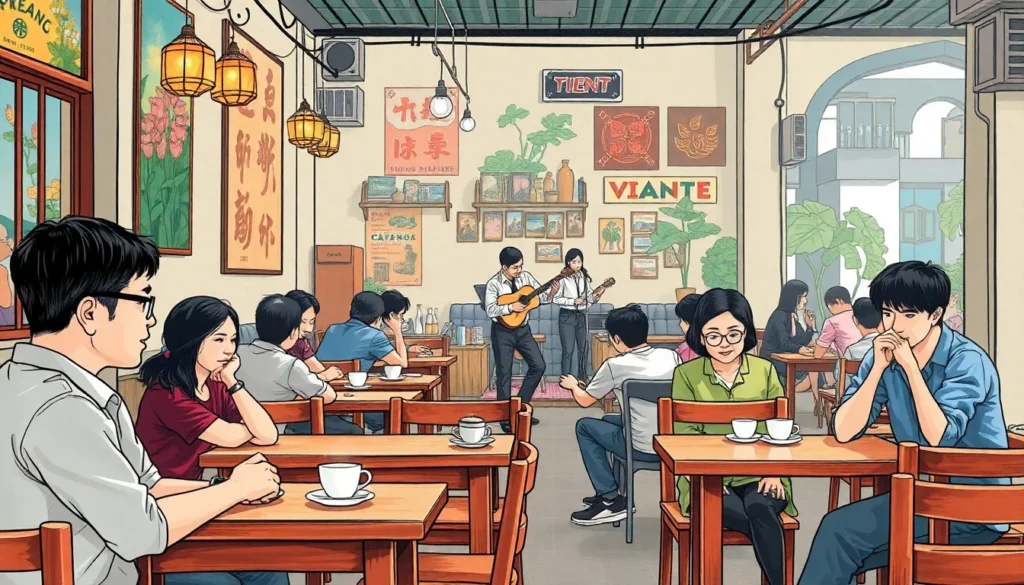
Vietnamese coffee culture is more than just a caffeine fix; it’s a delightful experience that brings people together. Picture this: a bustling street corner, the rich aroma of brewing coffee wafting through the air, and locals gathered around tiny tables, sipping their beloved cà phê sữa đá. It’s a vibrant scene that’s both energizing and comforting.
But hold on—this isn’t your average cup of joe. Vietnamese coffee is a unique blend of robusta beans, often served with sweetened condensed milk that’ll make your taste buds dance. Whether it’s the traditional drip method or the trendy egg coffee, each sip tells a story of tradition and innovation. So grab your favorite mug and get ready to dive into a world where coffee isn’t just a drink; it’s a way of life.
Table of Contents
ToggleOverview of Vietnamese Coffee Culture
Vietnamese coffee culture represents a vibrant social scene where coffee serves as a central element of daily life. Locals gather at street stalls, sipping cà phê sữa đá, which combines the bold flavor of robusta beans with sweetened condensed milk. Traditional brewing methods define this culture, with drip coffee filters, known as phin, playing a key role in the preparation process.
Innovative variations, such as egg coffee, offer a modern twist on traditional recipes. Preparing egg coffee involves whipping egg yolks with sugar and condensed milk, creating a rich, frothy topping for coffee. This unique creation embodies the creativity found within Vietnamese coffee culture.
Numerous cafés throughout Vietnam highlight the importance of coffee as a social connector. Customers often spend hours chatting with friends over their favorite drinks in these relaxed environments. Additionally, cafes often feature local artwork and live music, enhancing the overall experience.
The rise of specialty coffee shops also reflects changing tastes among younger generations. Many now prefer single-origin brew options and artisanal roasting techniques. This trend illustrates a growing emphasis on quality among coffee enthusiasts.
Coffee is more than just a drink in Vietnam; it’s a community experience deeply rooted in tradition while embracing modern influences. Each cup of coffee serves as a conversation starter, a statement of culture, and a moment of connection, showcasing the diverse ways in which Vietnamese people celebrate their love for coffee.
History of Coffee in Vietnam
Coffee has deep roots in Vietnam, with a unique journey reflecting the country’s history and culture. The arrival of coffee transformed local customs and became an integral part of daily life.
Introduction of Coffee to Vietnam
Coffee came to Vietnam in the late 19th century, introduced by French colonists. In 1857, they planted the first coffee trees in the Central Highlands. By the early 20th century, coffee cultivation expanded significantly, with robusta beans becoming the dominant variety. Farmers recognized its potential for export, catering to global demand. The lush landscapes of Vietnam proved ideal for coffee growth, leading to the establishment of coffee plantations.
Evolution of Coffee Consumption
Coffee consumption in Vietnam evolved dramatically throughout the 20th century. During the 1960s, the country’s war experiences fueled a shift from simple espresso to rich, localized methods. The introduction of cà phê sữa đá highlighted Vietnam’s creativity, combining strong coffee with sweetened condensed milk. In recent decades, cafés proliferated, becoming social hubs where people gathered to enjoy diverse coffee styles. Younger generations now embrace specialty shops offering single-origin brews and trendy beverages, showcasing the dynamic coffee culture.
Types of Vietnamese Coffee
Vietnamese coffee showcases a diversity of styles, each with unique flavors and preparation methods. Traditional brews form the backbone of this vibrant culture, while modern variations reflect contemporary tastes.
Traditional Vietnamese Coffee
Traditional Vietnamese coffee, often called cà phê phin, relies on a slow drip brewing method using a phin filter. Robust robusta beans create a rich, bold flavor that defines the experience. Sweetened condensed milk typically enhances this coffee, creating a delightful balance of bitter and sweet. Locals commonly enjoy cà phê sữa đá, which adds ice for a refreshing twist, especially in hot weather. This communal style of brewing encourages conversations, making coffee a social activity ingrained in Vietnamese life.
Modern Variations
Modern variations of Vietnamese coffee include innovative twists that attract a new generation of coffee enthusiasts. Egg coffee, or cà phê trứng, combines whipped egg yolks with sugar and condensed milk, creating a creamy topping reminiscent of dessert. Specialty cafés often serve single-origin brews that highlight the unique qualities of beans from specific regions. Cold brew and other artisanal methods have gained popularity as well, appealing to those looking for diverse flavor profiles. Each modern drink maintains the core values of tradition while inviting exploration and creativity.
Coffee Preparation Techniques
Vietnamese coffee preparation showcases a blend of tradition and innovation. Skillful techniques create a rich experience for coffee lovers.
Traditional Brewing Methods
Traditional brewing methods dominate Vietnamese coffee culture. The phin filter stands out, allowing robusta coffee grounds to steep slowly. Brews take five to ten minutes, resulting in strong flavors. Baristas often emphasize patience during the process, as the slow drip enhances the drink’s richness. Many locals enjoy watching the brewing process unfold, adding to the communal atmosphere. Variations like cold-brewed coffee demonstrate adaptability, maintaining the essence of traditional practices.
Coffee with Condensed Milk
Coffee with condensed milk expresses comfort and indulgence in Vietnamese culture. Cà phê sữa đá features strong coffee combined with sweetened condensed milk, creating a perfect balance. Many prefer this style for its creamy texture and rich flavor. The blending process typically occurs in a glass, prompting a visual appeal before sipping. Serving options include both hot and iced variations, catering to different preferences and climates. This delightful combination has become emblematic of Vietnamese coffee culture, evoking a sense of home and warmth with each cup.
The Role of Cafés in Vietnamese Society
Cafés play a vital role in Vietnamese society, serving as community hubs for various social interactions.
Social Gathering Spaces
Cafés function as important meeting points for friends and family. They create inviting atmospheres that encourage conversation and connection. In busy urban areas, it’s common to find patrons laughing and sharing stories over cups of cà phê sữa đá. Street-side cafés often feature rustic wooden tables under umbrellas, inviting locals to linger. Traditional music and local artwork enhance the experience, fostering a sense of belonging. Gathering at cafés provides an opportunity for people to escape daily pressures. It’s here that relationships strengthen over shared experiences.
Work and Study Environments
Cafés also serve as popular work and study spots. Students frequently choose these spaces to tackle assignments, while professionals hold meetings or catch up on projects. Free Wi-Fi and comfortable seating arrangements encourage longer visits. Baristas often cater to the needs of those working or studying, providing quality beverages to help fuel productivity. The lively ambiance stimulates creativity, making it an ideal setting for brainstorming or collaborating. Many establishments adapt their hours to accommodate night owls, ensuring accessibility for all. This blend of productivity and community enriches the overall coffee culture in Vietnam.
Vietnamese coffee culture is a vibrant tapestry woven from tradition and innovation. It’s a celebration of community where every cup serves as a bridge connecting people. The unique brewing methods and diverse coffee styles offer a sensory experience that goes beyond taste.
Cafés play a pivotal role in this culture, providing spaces for connection and creativity. As the coffee landscape continues to evolve with modern twists, the essence of Vietnamese coffee remains rooted in its rich history and communal spirit. This culture not only enriches daily life but also invites everyone to partake in a shared experience that transcends generations.