
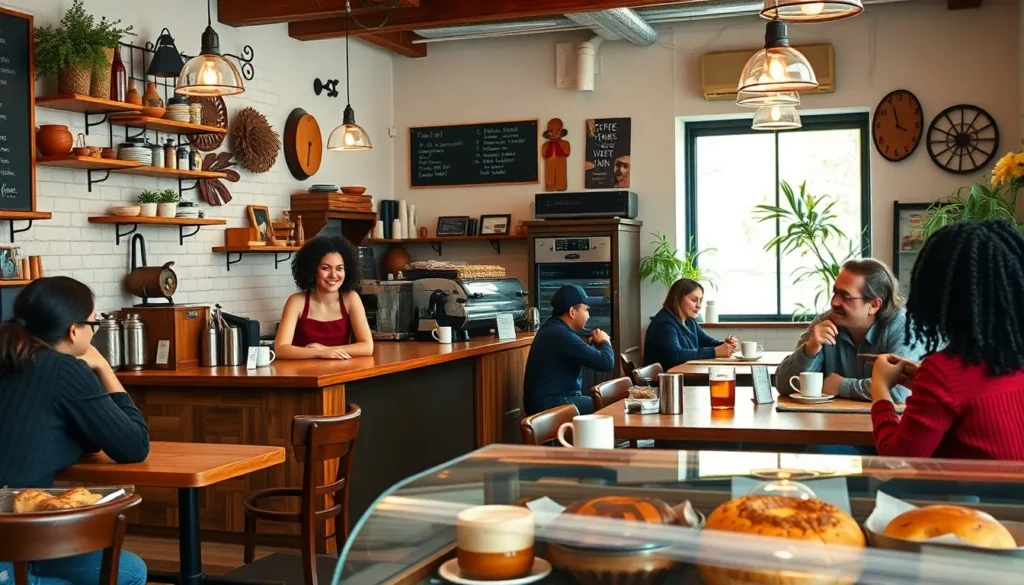
In a world where every cup of coffee seems to come with a side of corporate charm, local coffee shops are the unsung heroes of the caffeine scene. They’re not just places to grab a quick fix; they’re cozy havens where baristas know your name (and your favorite drink) better than your family does. Imagine sipping a perfectly brewed cup while the aroma of freshly ground beans dances around you—sounds like a dream, right?
Supporting local coffee isn’t just about the brew; it’s about community, creativity, and a dash of quirky charm. These shops often serve up more than just java; they offer a taste of the local culture, complete with unique blends and a warm atmosphere. So grab your mug and get ready to explore why local coffee is not just a beverage, but a delightful experience that keeps your taste buds and your community thriving.
Overview of Local Coffee
Local coffee embodies more than just a beverage; it represents community spirit and creativity. Coffee shops serve as meeting spots where residents foster relationships, creating a sense of belonging. Baristas often remember regular customers’ preferences, which builds a personal connection that national chains cannot replicate. Unique drink options illustrate the creativity of local roasters, who often experiment with blends and flavors true to their regions.
Local coffee sourcing impacts the sustainability of community. Many shops prioritize ethically sourced beans, supporting farmers and fair trade practices. This commitment enhances the quality of the coffee and promotes environmental stewardship. Community-driven events frequently take place in these shops, ranging from art showcases to open mic nights, creating cultural hubs.
Numerous small coffee roasters are now gaining recognition. They offer distinct flavors that tell the story of their locale. Seasonal offerings encourage experimentation among patrons, keeping the menu fresh and exciting. Local coffee experiences remain unique; each cup reflects the style and characteristics of its makers.
Coffee culture thrives in various formats, from cozy setups with comfortable seating to efficient drive-thru services. Each environment caters to different customer needs, ensuring inclusivity within the local coffee scene. Atmospheres range from vibrant and bustling to serene and relaxing, accommodating diverse preferences.
Overall, local coffee shops contribute significantly to the identity of neighborhoods. Their presence enhances community dynamics and transforms ordinary coffee consumption into a cherished social experience.
Benefits of Local Coffee
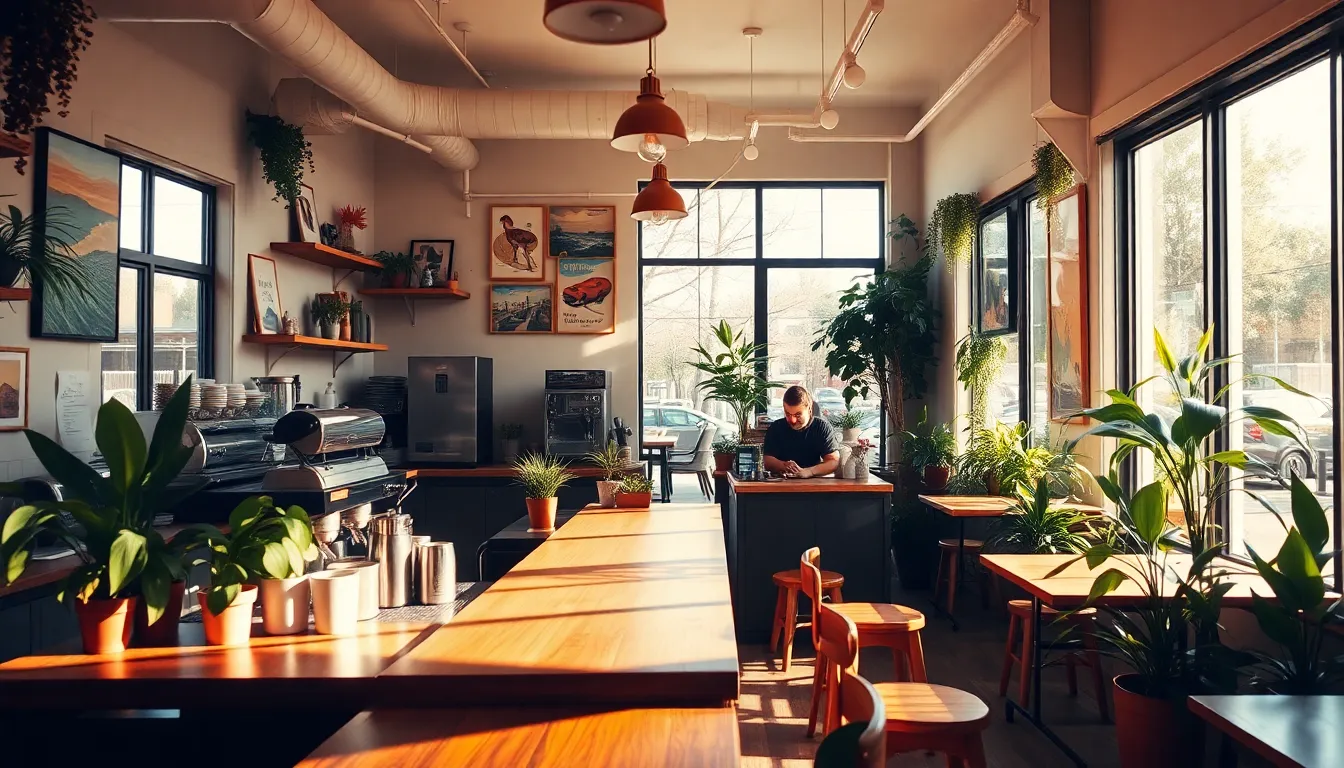
Local coffee offers numerous advantages that extend beyond the cup. These benefits encompass support for local economies and a reduced environmental impact.
Supporting Local Economies
Local coffee shops stimulate economic growth within their communities. These establishments often source ingredients and supplies from nearby vendors, which helps retain capital within the area. Employment opportunities arise as local shops hire residents, offering them wages that circulate locally. Many coffee shops also engage in partnerships with local artists and artisans, promoting their work while enriching the community’s cultural landscape. According to the Specialty Coffee Association, 40% of small coffee shops donate to local charities, reinforcing their presence as responsible community members. By choosing local coffee, consumers contribute directly to the thriving economic ecosystem surrounding them.
Environmental Impact
Opting for local coffee significantly lessens the environmental footprint associated with transportation. By sourcing beans closer to home, local coffee shops decrease emissions linked to long-distance shipping. Many local roasters prioritize sustainable practices, including organic farming methods that minimize chemical usage. Additionally, local shops often implement eco-friendly packaging solutions, reducing plastic waste. Studies indicate that coffee sourced through direct trade can decrease deforestation and promote biodiversity in cultivating regions. Emphasizing local coffee encourages a more environmentally conscious lifestyle while supporting sustainable agricultural practices.
Brewing Methods for Local Coffee
Exploring the various brewing methods for local coffee enhances the appreciation of each cup. Different techniques bring out distinct flavors, showcasing the beans’ unique characteristics.
French Press
French press delivers a rich and full-bodied coffee experience. Ground coffee steeped in hot water extracts oils and flavors, resulting in a robust brew. A typical ratio involves using one ounce of coffee for every 15 ounces of water. After four minutes of steeping, press the plunger down slowly to separate the grounds. Many local coffee shops offer freshly roasted beans specifically suitable for this method. The French press method highlights the nuances of each bean, allowing drinkers to enjoy the full profile of local roasts.
Pour Over
Pour over coffee emphasizes precision and control during brewing. With this method, hot water is poured evenly over coffee grounds placed in a filter. The recommended coffee-to-water ratio is one ounce of coffee for every 16 ounces of water. Pouring water in a circular motion ensures even saturation and extraction. Many local coffee shops prepare pour over coffee using distinctive mugs and minimalist setups. This technique results in a clean and vibrant cup, allowing flavors to shine while showcasing the craftsmanship of local roasters.
Popular Local Coffee Roasters
Local coffee roasters play a crucial role in promoting distinctive flavors and community engagement. Many of these roasters focus on single-origin beans, showcasing the unique characteristics of their regions. For instance, Blue Bottle Coffee sources beans from small farms in Central America, emphasizing sustainability. Stumptown Coffee Roasters stands out for its direct trade practices, enabling farmers to receive fair compensation.
Quality remains a priority for local roasters. With artisanal roasting methods, brands like Intelligentsia Coffee unlock rich flavor profiles through precise temperature and timing control. Counter Culture Coffee also emphasizes education, offering workshops that teach consumers about the roasting process and bean selection.
Many local coffee roasters incorporate seasonal offerings to keep their menus exciting. This keeps patrons engaged while exploring varying flavors. La Colombe frequently introduces limited-edition roasts, encouraging customers to try something new.
Collaboration with local businesses further enhances their appeal. Onyx Coffee Lab partners with local bakeries, creating a fantastic experience where customers enjoy freshly baked goods alongside their coffee. Doughnut Plant provides a unique match with its gourmet doughnuts, complementing the coffee offerings at many local shops.
The contribution of local coffee roasters extends beyond just coffee. Many engage in community initiatives, supporting local charities and environmental causes. Verve Coffee Roasters takes pride in its eco-friendly practices, using compostable packaging to reduce waste.
Exploring these local roasters creates not just a beverage experience but a gateway into engaging community dynamics. Have a cup of coffee, savor the flavors, and appreciate the hard work behind every roast, knowing it supports local economies and sustainable practices.
Local coffee shops and roasters play an essential role in shaping community identity. They offer more than just a caffeine fix; they create spaces for connection and creativity. By prioritizing ethical sourcing and sustainability, these establishments contribute to a healthier planet while supporting local economies.
Each cup of local coffee reflects the unique culture and flavors of its surroundings, inviting patrons to explore and appreciate the nuances of their community. Choosing local coffee not only enhances the drinking experience but also fosters a sense of belonging and responsibility. Embracing local coffee is a step towards nurturing both personal connections and the environment.