
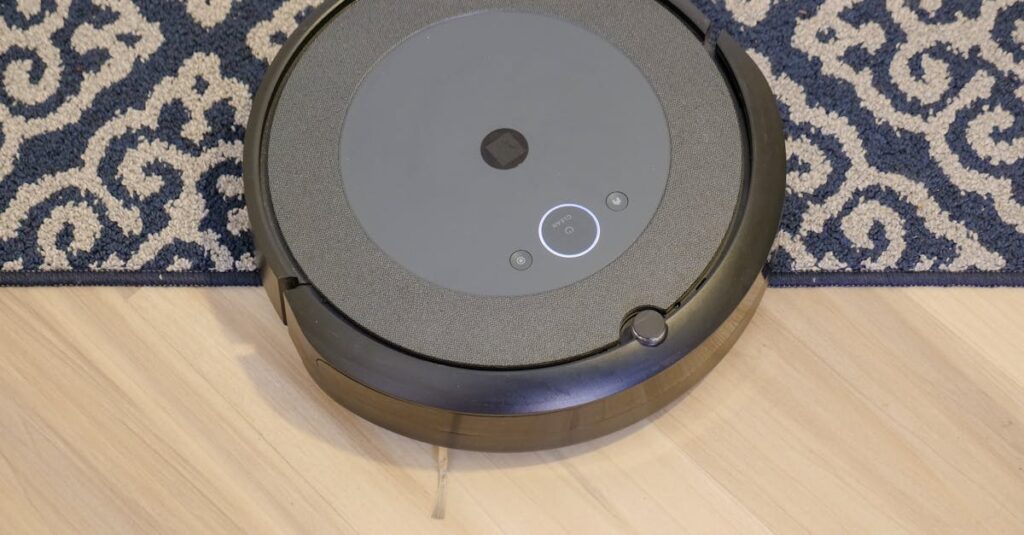
In a world where your toaster might be smarter than your average politician, the concept of smart living is reshaping how people navigate their daily lives. Imagine waking up to a home that knows your coffee preference better than your best friend. With technology seamlessly integrated into every corner of life, it’s not just about convenience; it’s about enhancing well-being and efficiency.
Smart living isn’t just a trend; it’s the future knocking at your door, and it’s armed with gadgets that can turn mundane tasks into effortless experiences. From voice-controlled assistants to smart thermostats that keep your home cozy, technology is here to make life easier—and maybe even a little more fun. So, buckle up and get ready to explore how smart living can transform your everyday routine into something extraordinary.
Table of Contents
ToggleOverview Of Smart Living And Technology
Smart living integrates advanced technology to transform daily routines. Voice-controlled assistants streamline tasks by offering hands-free operation for various devices. Smart thermostats optimize energy usage, providing comfort while reducing costs.
Automation systems enhance home security through surveillance cameras and smart locks. These devices enable homeowners to monitor their properties remotely. Smart lighting adjusts automatically based on occupancy, further improving energy efficiency.
Health tracking devices, such as smartwatches, motivate users to maintain active lifestyles. These gadgets monitor vital signs and encourage physical activity, leading to better overall well-being. Smart kitchen appliances simplify meal preparation, making cooking more efficient and enjoyable.
Connectivity plays a crucial role in smart living. The Internet of Things (IoT) allows devices to communicate with each other, creating a cohesive smart ecosystem. Users can control their homes from smartphones, ensuring convenience and peace of mind.
Smart living is more than just convenience; it enhances quality of life through technology. As innovations emerge, the landscape of smart living continues to evolve. Consumers can expect ongoing improvements in efficiency, safety, and overall comfort. Embracing this technological shift paves the way for a brighter, more manageable future.
Key Components Of Smart Living
Smart living integrates technology to enhance comfort and functionality in daily life. Several key components contribute to this transformation.
Smart Home Devices
Smart home devices revolutionize how individuals interact with their living spaces. Voice-controlled assistants enable hands-free operation, making tasks like setting reminders or controlling lights effortless. Additionally, smart thermostats learn user preferences for optimal heating or cooling, reducing energy costs significantly. Surveillance cameras and smart locks improve home security by allowing remote monitoring. With smart lighting, systems adjust automatically based on occupancy, which promotes energy conservation and ambiance.
Wearable Technology
Wearable technology empowers individuals to monitor their health and fitness seamlessly. Smartwatches track vital signs such as heart rate and steps taken, encouraging active lifestyles. Many devices sync with smartphones, providing alerts and reminders tailored to personal schedules. Health-focused wearables can analyze sleep patterns, offering insights to enhance overall well-being. By integrating mobile connectivity, these gadgets ensure users remain engaged and informed about their fitness levels.
Smart Appliances
Smart appliances streamline daily chores, making them more efficient. Refrigerators equipped with inventory tracking capabilities notify users about food items that need replenishment. Washing machines with app control allow for remote operation and cycle monitoring, enhancing convenience. Smart ovens can recognize recipes and adjust cooking times and temperatures automatically. These innovations simplify everyday tasks, promoting a more manageable and enjoyable home environment.
Benefits Of Smart Living
Smart living incorporates technology into daily life, enhancing convenience and efficiency while promoting a secure environment.
Convenience And Efficiency
Smart devices streamline household tasks, reducing time and effort. Voice assistants manage schedules, play music, and control other devices, allowing hands-free operation. Smart thermostats adjust temperatures automatically based on preferences, ensuring comfort while saving energy costs. Smart lighting responds to user behavior, turning on or off based on occupancy, thus reducing unnecessary electricity usage. Smart appliances offer features like remote control through apps, giving users the ability to monitor laundry cycles or adjust oven settings from anywhere. This integration leads to a more organized and efficient daily routine.
Enhanced Security
Smart living enhances home security significantly. Smart locks allow users to control access remotely, eliminating the worry of forgotten keys. Surveillance cameras provide real-time monitoring, sending alerts when unusual activity occurs. Users can view live feeds straight from their smartphones, enabling peace of mind while away. Motion sensors detect movement, triggering automated alerts or actions to deter potential intruders. Additionally, interconnected systems support responses to emergencies, such as automatically notifying authorities in case of a fire or break-in, ensuring swift action in critical situations. This technology creates a safer living environment overall.
Challenges And Considerations
Smart living introduces various challenges and considerations that users should address. One significant area of concern involves privacy.
Privacy Concerns
Privacy issues arise when integrating smart devices into daily life. Devices collect user data, such as personal preferences and daily habits, which can expose sensitive information. Cybersecurity threats grow alongside increased connectivity. Without proper safeguards, smart devices can become vulnerable to hacking or unauthorized access. Users must be vigilant about the privacy policies of manufacturers and regularly update security settings. Awareness and proactive measures ensure that personal data remains protected while enjoying the benefits of smart living.
Technology Compatibility
Compatibility among various smart devices presents another challenge for users. Not all smart gadgets work seamlessly with one another, leading to potential frustration. Different brands may use unique protocols and platforms, creating integration obstacles. Users may find it challenging to create a cohesive smart ecosystem without careful planning. Ensuring compatibility often requires research into supported technologies. Selecting devices from compatible ecosystems can enhance functionality and streamline user experience, ultimately maximizing the advantages of smart living.
Future Trends In Smart Living And Technology
Emerging trends in smart living and technology promise to redefine daily life further. Artificial intelligence (AI) integration enhances smart home devices. Smart speakers equipped with AI can recognize voice commands with increased accuracy, offering tailored responses based on user preferences.
In addition, sustainability is becoming a focal point. Smart home systems align with energy management, optimizing consumption and reducing environmental impact. Energy-efficient devices contribute significantly to lower utility bills while promoting eco-friendly living.
Moreover, advances in wearable technology are making health monitoring more accessible. Devices like smartwatches track health metrics, sending alerts for irregularities, which encourages proactive health management. Integration of these technologies into daily routines contributes to healthier lifestyles.
Connectivity remains vital in smart living spaces. Improvements in IoT technologies enable seamless communication between devices. Smart homes can now automate processes based on user behavior, creating a personalized experience that adjusts lighting, temperature, and security settings automatically.
Telehealth is gaining traction due to the increasing importance of remote healthcare solutions. Virtual consultations and health monitoring devices are revolutionizing patient care, allowing individuals to manage health from the comfort of their homes.
Interoperability among devices continues to improve. Standards for smart technology are evolving, leading to better compatibility among various gadgets. This ensures users can harness the full potential of their smart ecosystems without frustration from device mismatches.
Lastly, the focus on privacy and security remains critical. Innovations in cybersecurity are essential to protect user data. As smart technology advances, securing personal information must stay at the forefront of development efforts.
Smart living is reshaping how individuals interact with their environments and manage daily tasks. With advancements in technology, it’s clear that integrating smart devices into everyday life not only enhances convenience but also promotes efficiency and well-being. As the landscape evolves, users can expect even more innovative solutions that prioritize security and sustainability.
While challenges like privacy concerns and device compatibility exist, the benefits of smart living far outweigh these obstacles. By embracing this technology, individuals position themselves for a future where daily routines are seamlessly managed, allowing for a more organized and enjoyable lifestyle. The journey into smart living is just beginning, and its potential is limitless.