
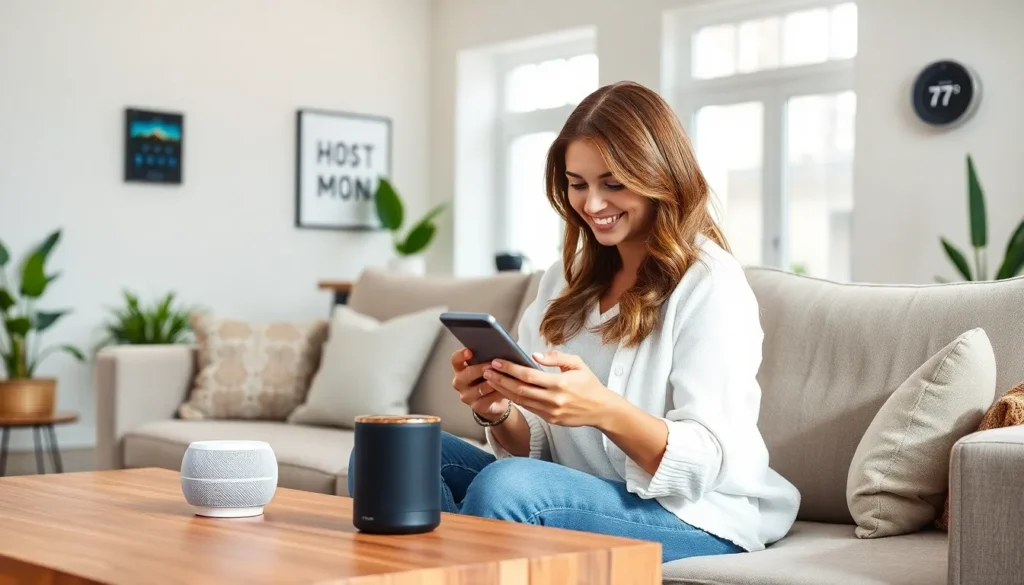
In a world where even your toaster can be smarter than your average bear, smart living technology is revolutionizing how people experience daily life. Gone are the days of fumbling for light switches or wondering if you left the oven on. With a flick of a finger or a simple voice command, homes are transforming into high-tech havens that cater to every whim—like a personal genie, but without the questionable fashion choices.
Overview Of Smart Living Technology
Smart living technology encompasses various devices and systems designed to enhance everyday life within homes. These technologies create seamless interactions, allowing users to control lighting, climate, security, and entertainment systems through smartphones or voice commands.
Many households now integrate smart thermostats that optimize heating and cooling schedules based on user habits. Automated lighting systems adjust brightness levels and colors to improve ambiance or save energy. Smart speakers offer not only music playback but also immediate access to information and home device control.
Security features have evolved significantly with smart living technology. Homeowners utilize smart cameras and doorbell systems to monitor entrances remotely. Notifications and alerts keep individuals updated on their property, ensuring peace of mind.
Energy management becomes easier with smart plugs and energy monitors that track consumption. Users can analyze data to make informed decisions, leading to reduced utility bills. Smart appliances, such as refrigerators and ovens, connect to the internet, allowing for remote monitoring and operation.
Incorporating smart living technology simplifies life tasks while increasing efficiency and safety. This shift reflects a broader trend towards automation, reshaping daily routines and improving overall quality of life. By embracing these innovations, individuals enjoy a more connected and responsive living environment.
Benefits Of Smart Living Technology
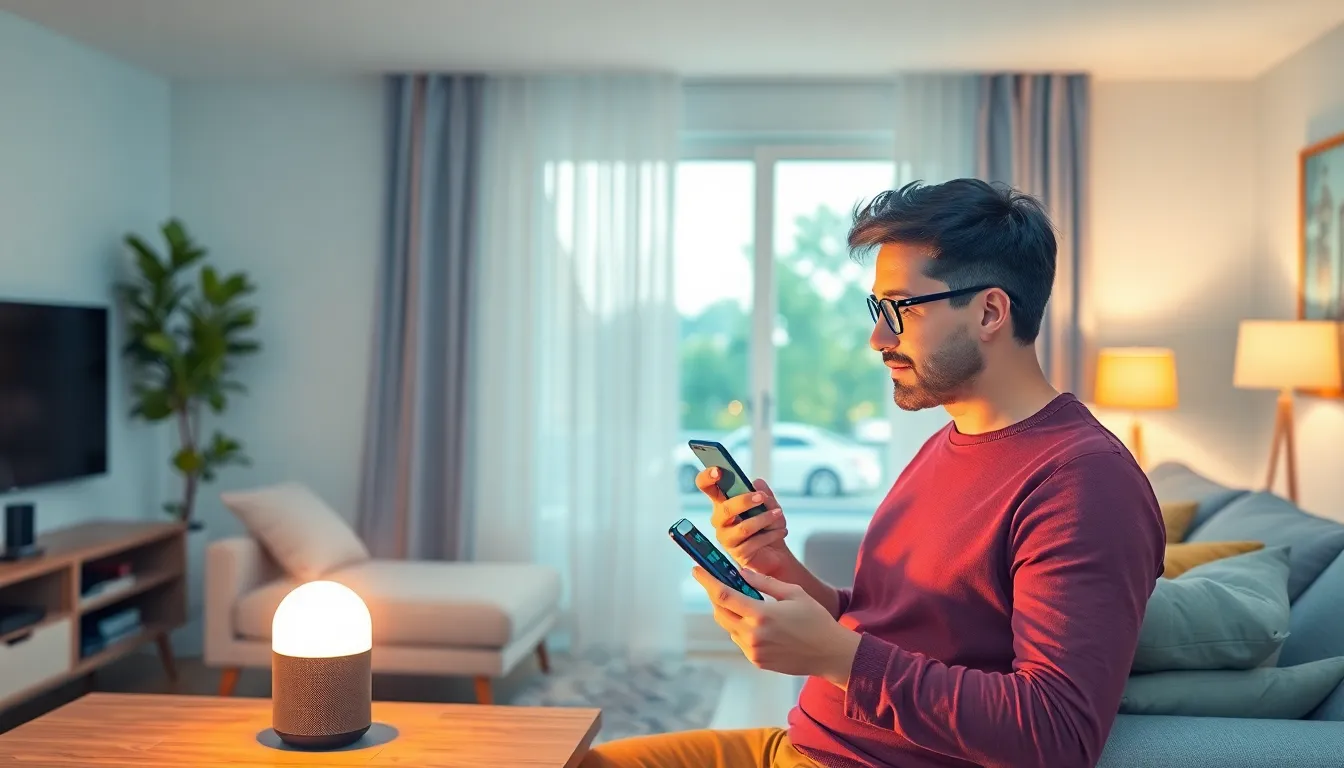
Smart living technology provides significant advantages, enhancing daily routines and improving living environments. Users enjoy seamless control over their homes through intuitive devices and systems.
Enhanced Convenience
Smart living technology streamlines daily tasks, offering remote access and control. Users can adjust lighting or temperature using smartphones or voice commands. Customizable settings allow individuals to create personalized experiences, such as scheduling lights to turn on at specific times. Devices like smart speakers facilitate hands-free operation, making multitasking easier. Homeowners enjoy peace of mind when they can remotely monitor security systems and appliances. The user-friendly nature of these technologies enhances overall satisfaction and simplifies life.
Increased Energy Efficiency
Energy efficiency represents another major benefit of smart living technology. Smart thermostats automatically adjust heating and cooling based on user preferences, optimizing energy use. Data from energy monitors informs homeowners about consumption patterns, enabling better management. Automated lighting systems, which adjust brightness based on occupancy, further contribute to reduced energy waste. Using smart plugs, individuals can schedule appliances, ensuring they operate only when needed. This integration leads to lower utility bills and a more sustainable lifestyle.
Key Components Of Smart Living Technology
Smart living technology encompasses a range of devices and integrations that enhance home functionality. This technology allows homeowners to streamline their daily routines effectively.
Smart Home Devices
Smart home devices include products like smart speakers, thermostats, cameras, and lighting systems. These devices communicate with each other, enabling centralized control. Users can adjust their home environments through mobile apps or voice commands, ensuring convenience. Smart thermostats learn user preferences, optimizing heating and cooling automatically. Automated lighting changes brightness and colors based on activities, enhancing ambiance. Security cameras provide real-time video feeds, increasing safety. Energy-efficient smart plugs help monitor and reduce power usage, benefiting both the wallet and the environment.
IoT Integration
IoT integration connects various devices for enhanced functionality. Smart appliances communicate over the internet, providing seamless interaction. Integration offers users real-time data through sensors, allowing for proactive management of home systems. Homeowners can monitor energy consumption patterns, identifying opportunities for greater efficiency. Coordinated control of smart home devices simplifies workflows, creating a more responsive living space. The interconnected nature of IoT enables remote operation, offering convenience and control from anywhere. Smart living technology fosters a more intuitive home environment, reflecting a shift towards automation.
Challenges And Considerations
Smart living technology presents challenges that require attention. Security concerns rank among the top issues. With increased connectivity comes the risk of cyberattacks. Hackers can exploit vulnerabilities in smart devices and networks, leading to unauthorized access or data breaches. Homeowners need to secure their networks through robust passwords and regular software updates. Implementing strong cybersecurity measures is essential for safeguarding personal information.
Accessibility issues also pose significant challenges. Some users with disabilities may find it difficult to navigate complex interfaces. Smart technology must prioritize inclusivity, enabling voice commands and adaptable controls. Manufacturers must design devices that accommodate various needs and preferences. Continuous improvement in user experience can enhance accessibility. Addressing these challenges contributes to a more widespread adoption of smart living technology and ensures that all individuals can benefit from its advantages.
Future Trends In Smart Living Technology
Smart living technology continues to evolve rapidly, integrating more advanced features to enhance user experience. Artificial intelligence plays a crucial role in optimizing home automation by learning user preferences over time. Smart devices are becoming more intuitive, adapting to individual routines and providing personalized services.
Voice recognition technology allows users to control home systems with simple commands, making interaction effortless. Increased adoption of 5G networks enhances device responsiveness and connectivity, supporting a multitude of devices seamlessly. Smart home ecosystems are emerging, where various products from different manufacturers seamlessly communicate with each other to create a unified experience.
Energy management systems are identifying consumption patterns, enabling users to make informed decisions about energy usage. Demand for sustainable solutions drives innovations in smart living technology, with devices focusing on energy efficiency and eco-friendliness. Integration of renewable energy sources, like solar power, into smart systems is gaining traction, contributing to a more sustainable lifestyle.
Data privacy remains a significant concern amid growing connectivity. Users seek transparency in how their information is collected and used by smart devices. Robust security measures are becoming standard as consumers demand protection against potential cyber threats.
Wearable devices are integrating with smart home technology, providing real-time monitoring of health and fitness. This integration allows users to maintain their well-being while enjoying the conveniences of smart living. Accessibility features are also on the rise, ensuring individuals with disabilities can easily interact with home technology.
As innovation progresses, smart living technology shapes the future of homes, transforming them into personalized and responsive environments.
Smart living technology is revolutionizing how people interact with their homes. By streamlining daily tasks and enhancing convenience it’s clear that these innovations are more than just gadgets; they represent a shift towards a more connected lifestyle. The integration of advanced features like AI and 5G connectivity is paving the way for smarter, more efficient living environments.
While challenges like security and accessibility must be addressed, the potential benefits far outweigh the drawbacks. As technology continues to evolve, homeowners can expect even greater levels of customization and control. Embracing smart living technology not only enhances quality of life but also promotes sustainability and energy efficiency, making it an essential aspect of modern living.